Matching Old Bricks
This is about matching bricks into brickwork that is already there: what affects the match, what makes it hard, and how close you can realistically expect a repair to get. It is not a guide to choosing a brick for a new wall built from scratch, where almost any brick will do.
How to match old bricks, and why an exact match is rare
An exact match for a brick that has not been made for decades usually does not exist, so matching old bricks is really a judgement call weighing four things together: size, colour, texture and the mortar joint around the brick. Get those close enough and a repair stops drawing the eye. Get one wrong and it never quite settles in.
Bricks were made from different clays in different places, and a brick that has weathered on a house front for decades looks nothing like the same brick coming off a pallet today: the face has softened, the colour has moved, and there is often moss or dirt worked into it. So matching old brickwork means getting as close as anyone reasonably can, not finding an identical brick, and saying so plainly before any work starts.
Size is the one that catches people out, and the one nothing else can compensate for. A replacement brick even a few millimetres off height throws the courses out of line with the wall either side of the repair, and no amount of careful pointing hides a step in a course line. It gets checked first, and it is the detail most likely to send the search for a brick further afield.
Colour is easier to get close on and harder to get exactly right. Old brickwork is rarely one flat colour: look along a Victorian wall and there is a spread across it, which helps, because a repair built from several near-matches settles into that spread far better than one uniform colour sitting in the middle of it. Texture counts just as much. A sharp-edged modern brick next to a soft, weathered one still stands out even when the colour is spot on.
Then there is the mortar, which is where most repairs give themselves away. The joints make up a large part of what is actually visible from a distance, and new pointing in the wrong colour or the wrong profile sends the eye straight to the repair even when the bricks themselves are right. That is why matching old bricks and repointing usually happen as one job rather than two separate ones.
Jack visits before any work starts and says plainly whether a close match, a reasonable one, or a repair that will always show a little is realistic for that wall. Sometimes rebuilding a whole section is the better-looking answer, so there is nothing left beside it to compare against. Every job gets a free, no-obligation quotation, with that judgement explained in it.
The four things weighed against each other
Get these close and the repair stops drawing the eye.
Size, before anything else
A brick even slightly the wrong height throws the courses out of line with the wall either side. Nothing else can hide that, so it is checked first.
Colour, across a range
Old brickwork is rarely one flat colour. A repair built from several near-matches sits into that spread better than one uniform colour ever does.
Texture and weathering
A sharp modern face next to a soft, weathered one still shows up even when the colour is right. How the brick has aged is part of the match.
The mortar does half the job
The joints make up a large part of what is visible from a distance. The wrong colour or profile on the new pointing, and the eye finds the repair anyway.
What people ask next
The questions that come up once the matching itself is settled.
Can old Victorian brick be matched?
Often, and closer than most people expect. Older brickwork usually carries more variation across it than modern brick does, which helps: a repair built from a spread of near-matches settles in better than one flat colour would. The site visit includes a plain assessment of how close a match is realistic, rather than leaving it to be judged afterwards.
What happens if no match can be found at all?
That gets said before anything is spent. Depending on the wall, rebuilding a larger section so there is nothing left beside it to compare against is often the better-looking answer than a patch that never quite sits right. It costs more, so that decision sits with the homeowner, and the figure comes in writing either way.
Does matching add to the cost of a brickwork repair?
It can, mostly in time rather than materials. Finding the right brick takes looking, and a repair built to disappear takes longer than one simply filled in. Every job is priced on how long it is likely to take on site, so where matching is the slow part, that is explained in the free, no-obligation quotation rather than left as a surprise.
Is the mortar matched as well as the brick?
Yes, and on plenty of jobs it makes more difference to how a repair reads than the brick itself does. Matching the colour and finish of the existing joints is treated as part of the same piece of work, never as an extra charged on top.
Can an old door or window be bricked up so it does not show?
Yes, and it is one of the jobs where matching matters most, because a blocked-up opening puts a large flat area of new brickwork in the middle of old. It gets the same treatment as any other repair: the brick is matched, the new courses are tied in with the ones either side, and the pointing is matched so the whole wall reads as one piece.
The brick matching service, and the repairs it goes with
Ready to get it priced? Start with whichever is closest to your job.
 01
01Brick matching
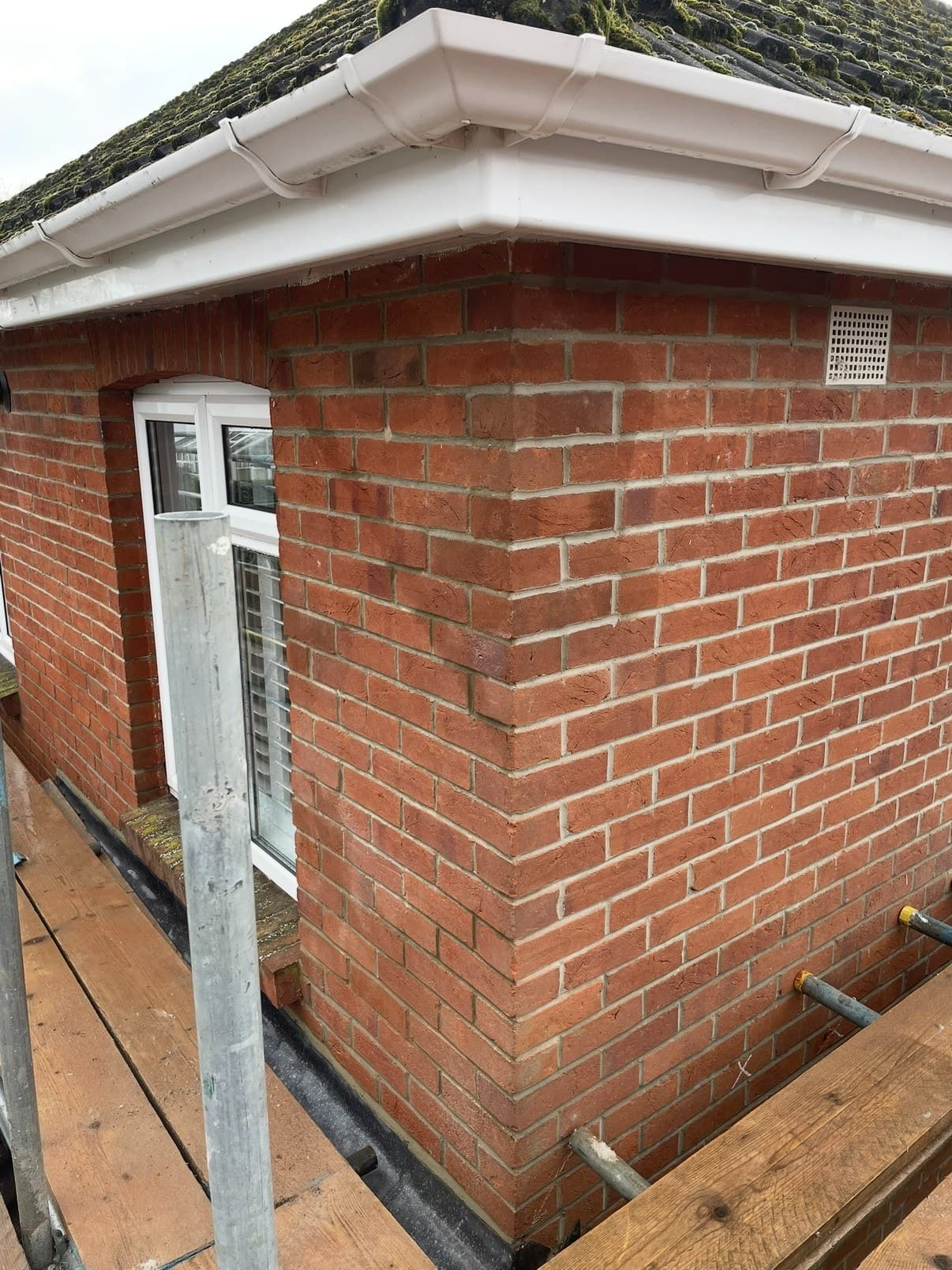
Finding the closest brick to what is already on the house, so a repair or a new section sits in with the wall instead of standing out from it.
Learn more 02
02Brickwork repairs
Cracked, spalled and frost-damaged brickwork cut out and replaced with brick matched to what surrounds it. It gets worse every winter left alone.
Learn more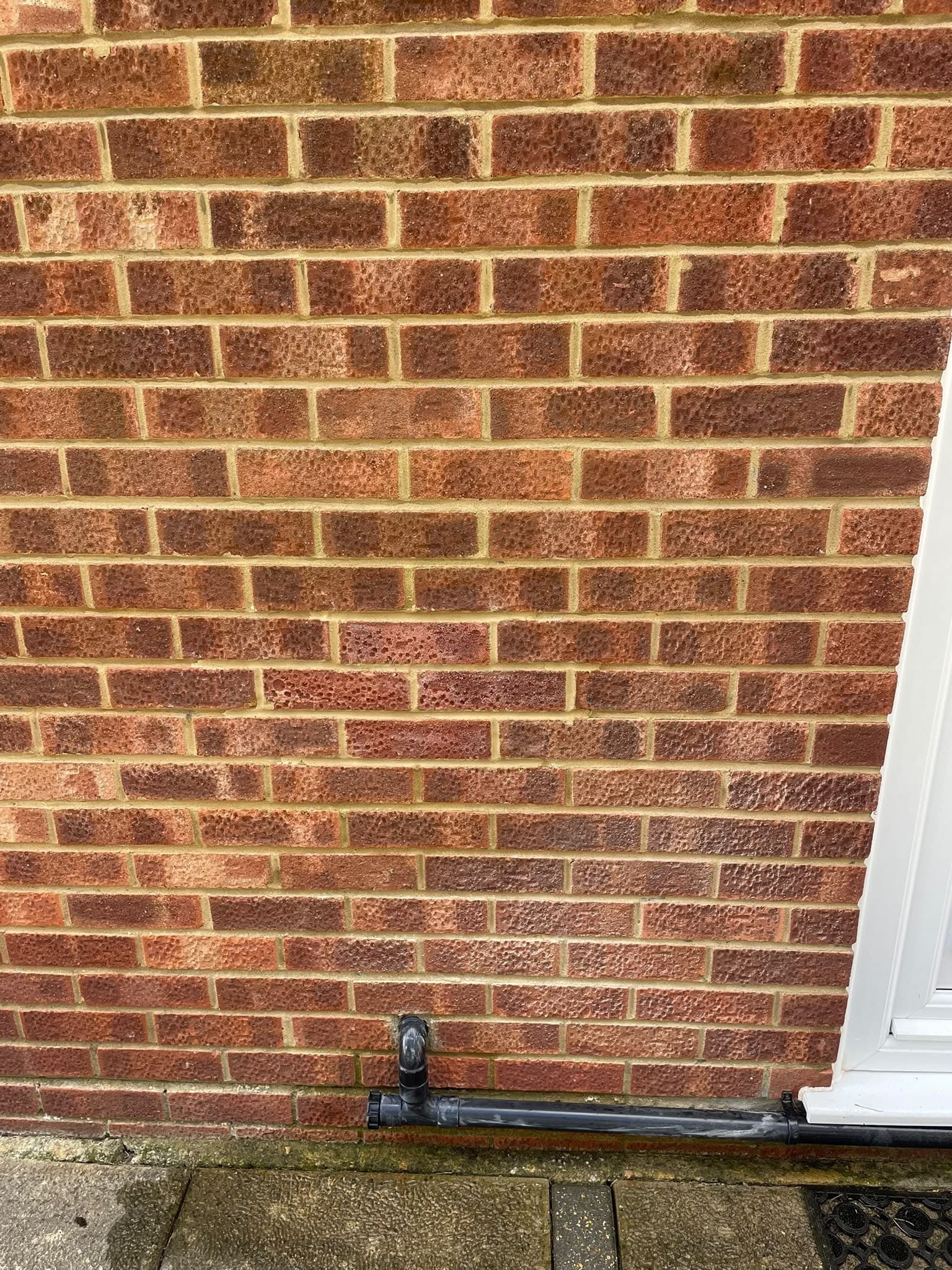 03
03Brickwork repointing
Soft or blown mortar raked out and repointed to match the colour and finish of the joints either side of the work.
Learn more 04
04Blocking up doorways and windows
An old door or window bricked up so the new work ties into the courses and the pointing that are already there.
Learn more
Get a free quote
Tell us what you need and we'll come back with a price. No pressure, no hard sell.
Prefer to talk? Call JFE Brickwork on 01202 028 343